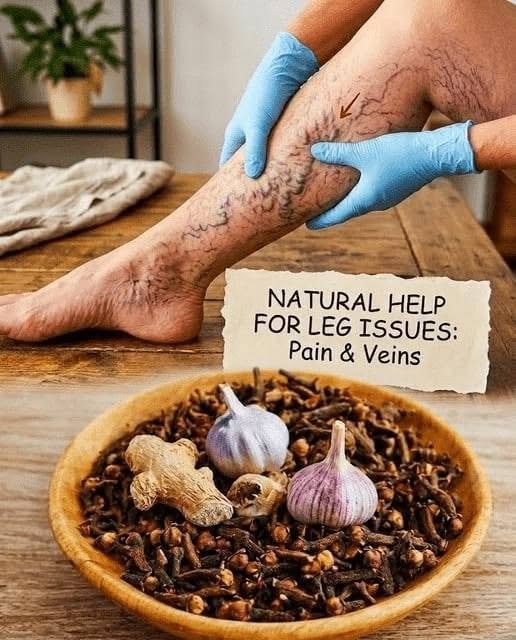
Leg discomfort can develop gradually from everyday routines rather than a single injury. Habits that seem harmless—such as sitting too long, wearing unsupportive shoes, or not staying hydrated—can increase strain on muscles, joints, nerves, and blood vessels. Identifying these habits can help reduce discomfort and improve overall leg health.
1. Sitting for Long Periods
Many people spend hours sitting at a desk, driving, or watching television. Remaining in one position for too long can:
- Reduce blood circulation to the legs.
- Cause muscles to become stiff and tight.
- Increase swelling in the ankles and feet.
- Place pressure on nerves, leading to numbness or tingling.
What to do:
- Stand and walk for 2–5 minutes every hour.
- Stretch your calves, hamstrings, and hip flexors.
- Adjust your chair so your knees are level with or slightly below your hips.
2. Standing Too Long
Standing for extended periods can also contribute to leg discomfort by placing continuous stress on muscles and joints.
Common symptoms include:
- Aching calves
- Swollen feet
- Heel pain
- Lower back discomfort
Helpful tips:
- Shift your weight regularly.
- Wear supportive footwear.
- Use an anti-fatigue mat if standing at work.
- Take sitting breaks whenever possible.
3. Wearing Unsupportive Shoes
Shoes without proper cushioning or arch support can affect the alignment of your feet, knees, hips, and lower back.
Examples include:
- High heels
- Worn-out sneakers
- Thin flip-flops
- Shoes that are too tight
These can contribute to:
- Foot pain
- Shin pain
- Knee discomfort
- Muscle fatigue
Better choices:
- Wear shoes with good arch support.
- Replace athletic shoes when they become worn.
- Choose footwear appropriate for your activity.
4. Not Stretching Regularly
Tight muscles can limit movement and increase stress on joints.
Areas that often become tight include:
- Hamstrings
- Calves
- Hip flexors
- Quadriceps
This tightness may cause:
- Muscle cramps
- Reduced flexibility
- Difficulty walking comfortably
Aim for:
- 5–10 minutes of stretching daily.
- Gentle stretches before exercise.
- Light stretching after physical activity.
5. Skipping Physical Activity
A sedentary lifestyle weakens muscles that support the legs.
Weak muscles may lead to:
- Poor balance
- Increased joint stress
- Faster fatigue
- Greater risk of injury
Recommended activities:
- Walking
- Cycling
- Swimming
- Low-impact strength training
Adults are generally encouraged to get about 150 minutes of moderate physical activity per week, unless advised otherwise by a healthcare professional.
6. Overtraining Without Recovery
Exercise is beneficial, but too much without adequate rest can cause:
- Muscle soreness
- Tendon irritation
- Stress injuries
- Persistent fatigue
Signs you may need more recovery:
- Pain lasting several days
- Reduced performance
- Ongoing stiffness
- Swelling
Recovery strategies:
- Schedule rest days.
- Sleep 7–9 hours each night.
- Gradually increase workout intensity.
- Stay hydrated and eat balanced meals.
7. Poor Posture
Poor posture while sitting, standing, or walking changes how weight is distributed across the body.
Possible effects include:
- Hip strain
- Knee pain
- Lower back discomfort
- Muscle imbalances
Improve posture by:
- Keeping shoulders relaxed.
- Engaging your core muscles.
- Avoiding slouching.
- Positioning computer screens at eye level.
8. Carrying Excess Body Weight
Extra body weight increases pressure on the:
- Knees
- Hips
- Ankles
- Feet
Over time, this added stress can contribute to joint discomfort and make movement more difficult.
Even modest weight loss, when appropriate, may reduce stress on weight-bearing joints and improve mobility.
9. Not Drinking Enough Water
Dehydration can contribute to:
- Muscle cramps
- Fatigue
- Reduced physical performance
Your hydration needs depend on factors such as weather, activity level, and overall health.
Stay hydrated by:
- Drinking water throughout the day.
- Increasing fluids during exercise or hot weather.
- Eating water-rich foods like fruits and vegetables.
10. Ignoring Minor Pain
Many people continue normal activities despite ongoing discomfort.
Ignoring pain may allow minor issues to worsen, especially if they involve:
- Muscles
- Tendons
- Ligaments
- Joints
Seek medical evaluation if discomfort:
- Persists for more than a few weeks.
- Interferes with daily activities.
- Continues despite rest and self-care.
11. Smoking
Smoking can reduce blood flow and slow tissue healing. It is also associated with a higher risk of circulation problems, which may contribute to leg discomfort in some people.
Quitting smoking can improve circulation and support overall musculoskeletal and cardiovascular health.
12. Poor Nutrition
A diet lacking essential nutrients can affect muscle and bone health.
Key nutrients include:
- Protein for muscle repair
- Calcium for bone health
- Vitamin D for calcium absorption
- Magnesium and potassium for normal muscle function
A balanced diet with lean proteins, whole grains, fruits, vegetables, healthy fats, and dairy or fortified alternatives can support healthy muscles and bones.
13. Sleeping in Awkward Positions
Sleeping with poor leg support may lead to stiffness or discomfort upon waking.
Helpful adjustments include:
- Placing a pillow between the knees when sleeping on your side.
- Placing a pillow under the knees when sleeping on your back.
- Using a supportive mattress if possible.
14. Repetitive Movements
Repeating the same movement—whether at work, during sports, or while doing household chores—can strain muscles and tendons.
To reduce risk:
- Take regular breaks.
- Alternate tasks.
- Use proper technique.
- Stretch affected muscle groups.
When to Seek Medical Attention
Seek prompt medical care if leg discomfort is accompanied by:
- Sudden, severe pain
- Significant swelling, warmth, or redness
- Inability to bear weight
- A noticeable deformity after an injury
- Fever with leg pain
- A cold, pale, or blue leg
- New numbness or weakness
- Shortness of breath or chest pain along with leg swelling, which could indicate a medical emergency
Key Takeaway
Daily habits can have a significant impact on leg comfort. Long periods of sitting or standing, wearing unsupportive shoes, inactivity, overtraining, poor posture, dehydration, smoking, and inadequate nutrition may all contribute to discomfort over time. Small, consistent changes—such as moving regularly, stretching, wearing supportive footwear, staying hydrated, maintaining a balanced diet, and allowing time for recovery—can help improve leg health and reduce discomfort. If pain is persistent, severe, or associated with concerning symptoms, consult a healthcare professional for an appropriate evaluation.